Read the transcript
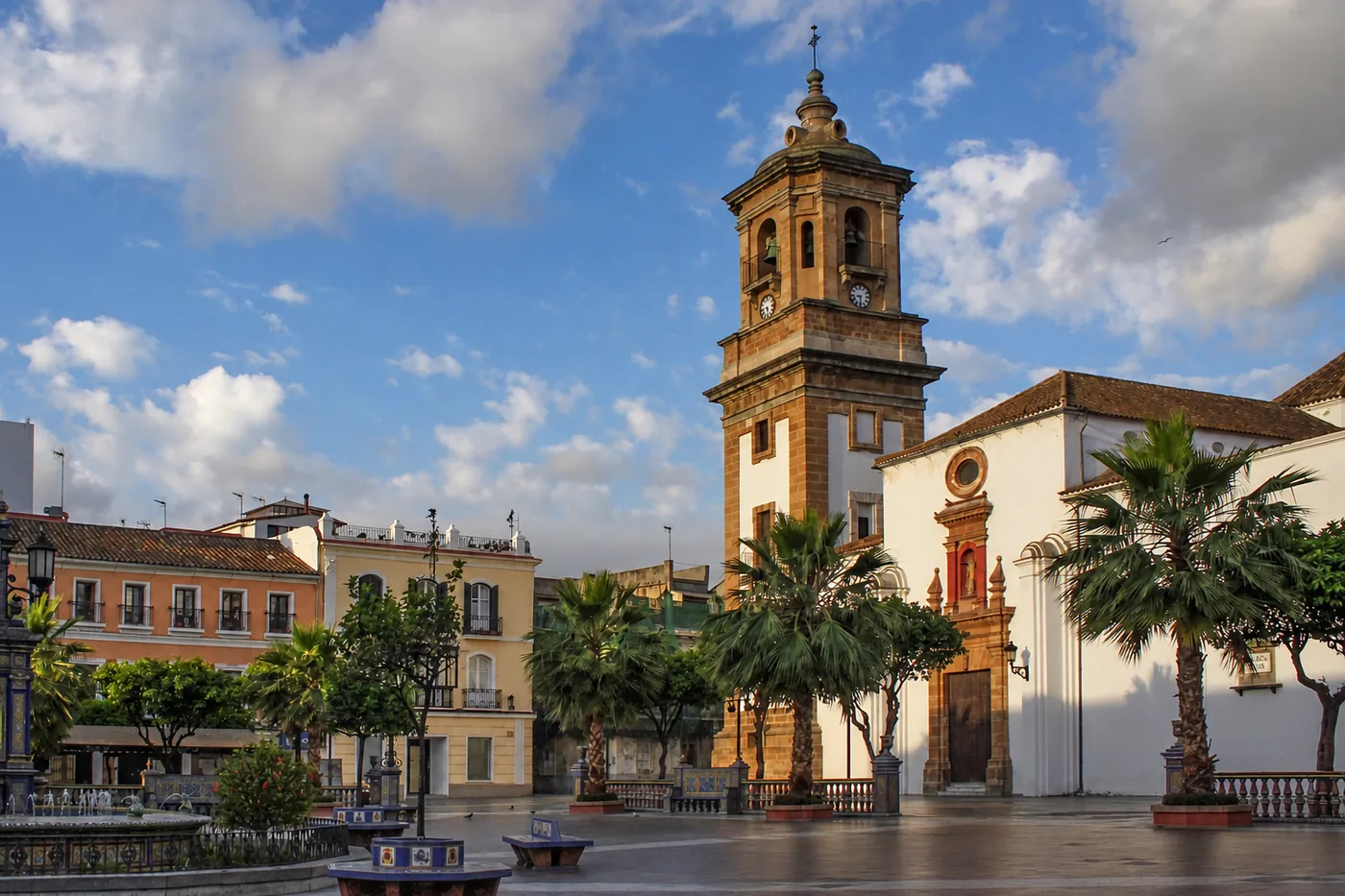
Algeciras is easier to understand when you stop simply passing through and learn to linger. Plaza Alta invites you to do just that: sit down, watch the streets meet and discover a city in conversation around its most recognisable space. Ceramics and religious façades turn an everyday pause into a first lesson in urban history. The square was laid out in 1807 on the initiative of General Castaños and was initially called Plaza del Almirante. Its obelisk disappeared in 1926; three years later, the ceramic paving was commissioned from workshops in Seville. This succession of alterations and names explains why the place is the creation of many eras, rather than an untouched scene from the past. The city has recorded its political changes and its ways of occupying public space here. Walk around once to take in the whole square, then again to follow the details in the paving. Compare the presence of La Palma with the more intimate scale of the Europa chapel: two ways of giving shape to the same square. Then find a bench overlooking the entrances of the streets. The visit becomes richer when you also watch the comings and goings of those who use this place every day. Allow yourself a proper pause before continuing towards the market or San Isidro. You can visit the square regardless of whether the churches are open; if you want to enter them, check their opening times separately. This is the best place to begin the centre's monumental walk and return to when you finish.
La historia que guarda este lugar
Algeciras se entiende mejor cuando se deja de atravesarla y se aprende a quedarse. Plaza Alta invita justamente a eso: sentarse, mirar cómo se cruzan las calles y descubrir una ciudad que conversa alrededor de su espacio más reconocible. La cerámica y las fachadas religiosas convierten una pausa cotidiana en una primera lección de historia urbana.
La plaza se trazó en 1807 por iniciativa del general Castaños y recibió inicialmente el nombre de Plaza del Almirante. Su obelisco desapareció en 1926; tres años después se encargó a talleres sevillanos la solería cerámica. Esa sucesión de reformas y nombres explica que el lugar sea una construcción de muchas épocas, no una escenografía intacta del pasado. La ciudad ha ido escribiendo aquí sus cambios políticos y su manera de ocupar el espacio público.
Detente, mira, descubre
Haz una primera vuelta mirando el conjunto y otra siguiendo los detalles del pavimento. Compara la presencia de La Palma con la escala más recogida de la capilla de Europa: dos maneras de ordenar una misma plaza. Busca después un banco desde el que ver las entradas de las calles. La visita gana cuando se observa también el ir y venir de quienes utilizan este lugar todos los días.
Cómo disfrutar la visita
Reserva una pausa real antes de continuar hacia el mercado o San Isidro. Puedes visitar la plaza sin depender de la apertura de los templos; si quieres entrar en ellos, comprueba sus horarios por separado. Es el mejor punto para comenzar el recorrido monumental del centro y regresar al terminar.
Fuentes para conocer más
Descúbrelo dentro de un recorrido
Algeciras monumental, paso a paso →
Plaza Alta brings together religious heritage and decorative ceramics in central Algeciras. Its patterned paving rewards a closer look before you continue exploring the streets around the square.
What to look out for
- Decorative paving
- Central heritage
Planning your visit
Check opening arrangements before planning your visit; a map marker does not guarantee indoor access.
The map
Approximate place locations, not hiking tracks.
Before you go
Check the official source for current access and conditions.
Confirm access, opening hours and conditions with the official source. Follow signs and check restrictions in natural areas. We do not offer verified GPX tracks.
Sources consulted
www.algeciras.es ↗Sources reviewed · 2026-09-12