ALGECIRAS · RECORRIDO A PIE
Algeciras en cerámica: plaza, mercado y colección
La cerámica se puede mirar como decoración, pero también como una forma de contar la vida. El paseo parte del espacio público de Plaza Alta, atraviesa el centro comercial y termina en las lozas y azulejos de La Caridad.
Media jornada si se visita la colección · 3 paradas
Favourites and visits are saved only in this browser. They do not sync across devices.
TU PASEO, PARADA A PARADA
Abre el recorrido y empieza a caminar
Las paradas se visitan en este orden. Google Maps calcula el camino peatonal; las indicaciones de cada tramo te cuentan qué buscar al llegar.
0 de 3 paradas visitadas · guardado en este dispositivo
En recorridos largos dividimos el enlace para conservar todas las paradas en móvil. Comprueba aperturas y señalización; la navegación puede variar por obras o accesos.Read the transcript
Algeciras in ceramics: square, market and collection
Ceramics can be seen as decoration, but also as a way of telling everyday life. This walk starts in the public space of Plaza Alta, crosses the commercial centre and ends among the earthenware and tiles of La Caridad.
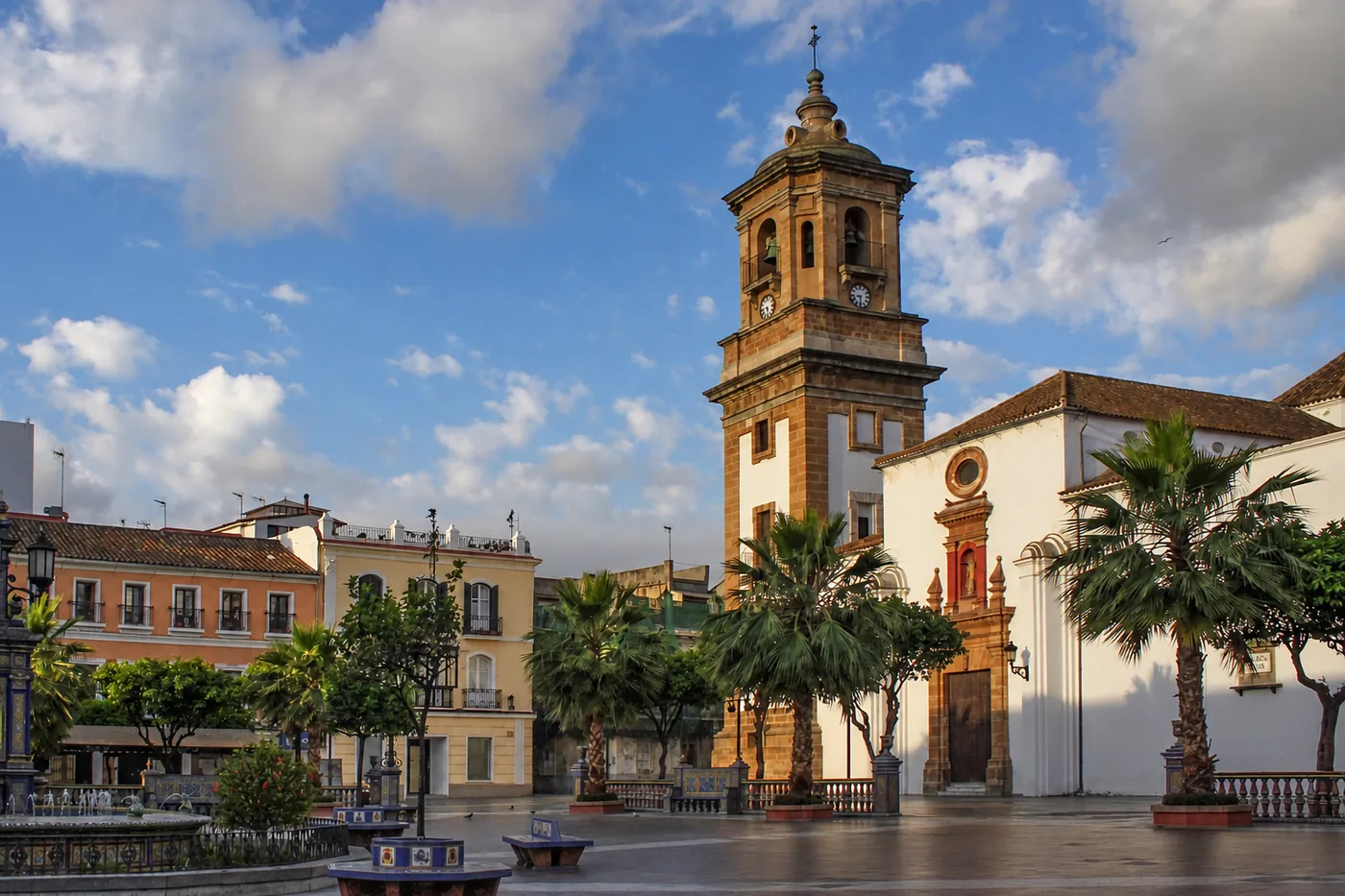
Algeciras is easier to understand when you stop simply passing through and learn to linger. Plaza Alta invites you to do just that: sit down, watch the streets meet and discover a city in conversation around its most recognisable space. Ceramics and religious façades turn an everyday pause into a first lesson in urban history. The square was laid out in 1807 on the initiative of General Castaños and was initially called Plaza del Almirante. Its obelisk disappeared in 1926; three years later, the ceramic paving was commissioned from workshops in Seville. This succession of alterations and names explains why the place is the creation of many eras, rather than an untouched scene from the past. The city has recorded its political changes and its ways of occupying public space here. Walk around once to take in the whole square, then again to follow the details in the paving. Compare the presence of La Palma with the more intimate scale of the Europa chapel: two ways of giving shape to the same square. Then find a bench overlooking the entrances of the streets. The visit becomes richer when you also watch the comings and goings of those who use this place every day. Allow yourself a proper pause before continuing towards the market or San Isidro. You can visit the square regardless of whether the churches are open; if you want to enter them, check their opening times separately. This is the best place to begin the centre's monumental walk and return to when you finish.
After observing Plaza Alta's ceramics, descend Radio Algeciras and Real to the market. Pause to compare a decorated outdoor space with another organised beneath its great roof.
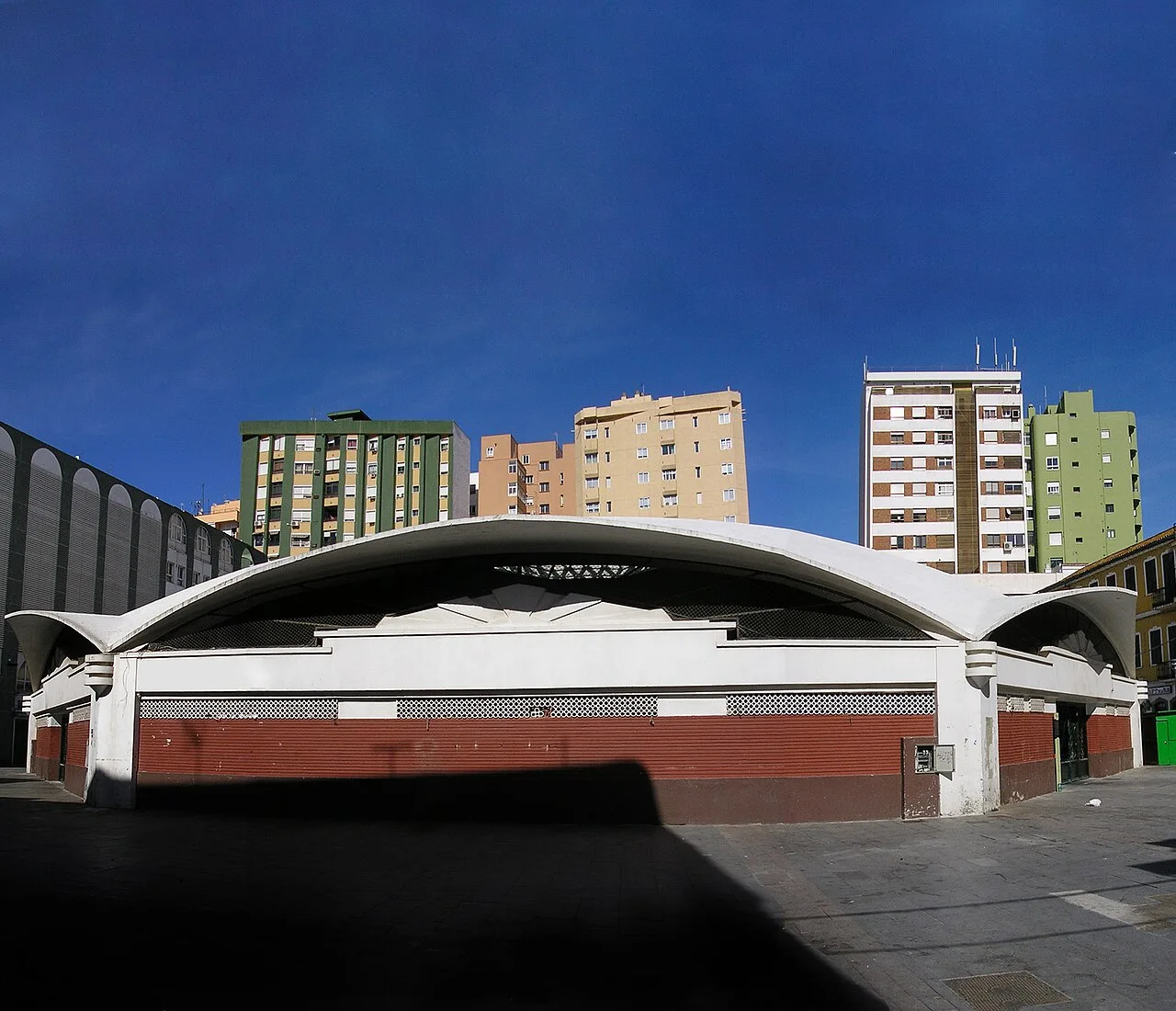
At Mercado Ingeniero Torroja, it is worth making two visits at once: one with your eyes on the roof and another at stall level. Few buildings explain so well how a great work of architecture can belong to a city's daily shopping, working life and conversation. Built in 1935, the market brings together Eduardo Torroja's engineering and the contribution of architect Manuel Sánchez Arcas. Its octagonal plan is covered by a concrete shell almost 48 metres in diameter, supported by eight peripheral pillars. This solution frees the interior space and turns a commercial requirement into a landmark of Spanish Rationalism. It was declared a Bien de Interés Cultural in 2001. Find a position from which your eyes can follow the roof all the way to its supports. The sense of spaciousness depends precisely on what is absent from the middle: a succession of supports interrupting the space. Then look again at the entrances and the relationship with the square. The architecture does not end at the roof; it also organises how buyers and sellers enter, meet and move around. If you want to see the market working, check opening times and plan a morning stop. Buy something if you wish, and ask permission before photographing people or stalls at close range. From Plaza Alta, you can descend along Radio Algeciras and Real; continuing afterwards towards La Caridad takes you from the commercial city to its cultural collections.
Continue from the market square through the centre's streets towards La Caridad. Select Hospital de La Caridad, at Teniente Miranda 118, as your destination. Check the collection's opening hours before starting the route.
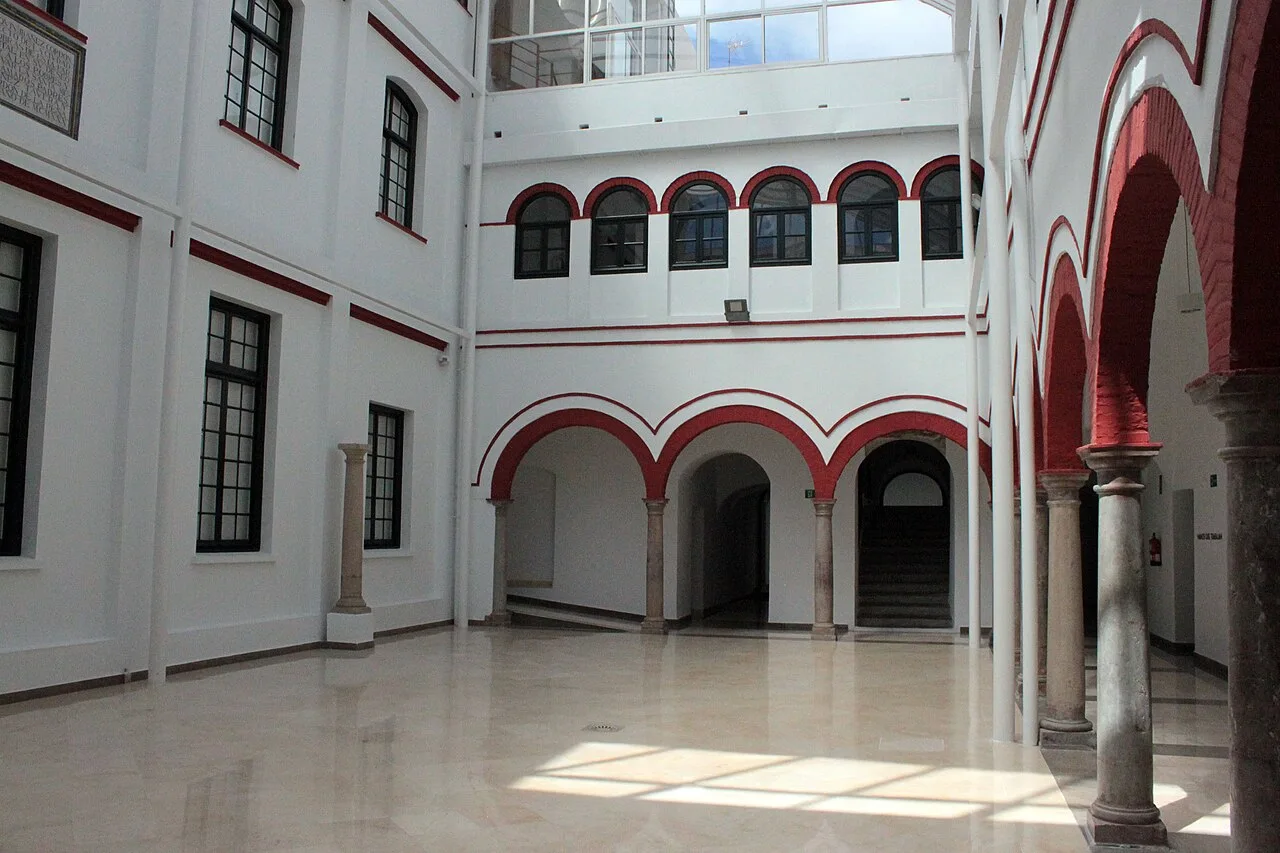
The pottery and tile collection at La Caridad explores heritage through ceramics. Municipal holdings include work from different Spanish pottery centres, offering another perspective for visitors interested in materials, patterns and everyday objects.
Pottery and tiles
Spanish pottery centres
Check opening arrangements before planning your visit; a map marker does not guarantee indoor access.
Ubicación de las paradas. Para seguir el camino entre ellas, abre las indicaciones de cada tramo.
PARADA 01 · Algeciras
Plaza Alta
Modified viewpoint; some details may differ from the actual place. Images and licences ↗
Algeciras se entiende mejor cuando se deja de atravesarla y se aprende a quedarse. Plaza Alta invita justamente a eso: sentarse, mirar cómo se cruzan las calles y descubrir una ciudad que conversa alrededor de su espacio más reconocible. La cerámica y las fachadas religiosas convierten una pausa cotidiana en una primera lección de historia urbana.
La historia que estás viendo
La plaza se trazó en 1807 por iniciativa del general Castaños y recibió inicialmente el nombre de Plaza del Almirante. Su obelisco desapareció en 1926; tres años después se encargó a talleres sevillanos la solería cerámica. Esa sucesión de reformas y nombres explica que el lugar sea una construcción de muchas épocas, no una escenografía intacta del pasado. La ciudad ha ido escribiendo aquí sus cambios políticos y su manera de ocupar el espacio público.
Fíjate en este detalle
Haz una primera vuelta mirando el conjunto y otra siguiendo los detalles del pavimento. Compara la presencia de La Palma con la escala más recogida de la capilla de Europa: dos maneras de ordenar una misma plaza. Busca después un banco desde el que ver las entradas de las calles. La visita gana cuando se observa también el ir y venir de quienes utilizan este lugar todos los días.
Reserva una pausa real antes de continuar hacia el mercado o San Isidro. Puedes visitar la plaza sin depender de la apertura de los templos; si quieres entrar en ellos, comprueba sus horarios por separado. Es el mejor punto para comenzar el recorrido monumental del centro y regresar al terminar.
Después de observar la cerámica de Plaza Alta, baja por Radio Algeciras y Real hasta el mercado. Haz una pausa para comparar un espacio decorado al aire libre con otro organizado alrededor de su gran cubierta.
Seguir este tramo en Google Maps ↗PARADA 02 · Algeciras
Ingeniero Torroja Market

Mercado Ingeniero Torroja · Resized for the web · Images and licences ↗
En el Mercado Ingeniero Torroja conviene hacer dos visitas a la vez: una con los ojos puestos en la cubierta y otra a la altura de los puestos. Pocos edificios explican tan bien que una gran obra de arquitectura puede formar parte de la compra diaria, del trabajo y de la conversación de una ciudad.
La historia que estás viendo
Construido en 1935, el mercado reúne la ingeniería de Eduardo Torroja y la intervención del arquitecto Manuel Sánchez Arcas. Su planta octogonal se cubre con una lámina de hormigón de casi 48 metros de diámetro, apoyada en ocho pilares periféricos. La solución deja libre el espacio interior y convierte una necesidad comercial en un hito del racionalismo español. Fue declarado Bien de Interés Cultural en 2001.
Fíjate en este detalle
Busca un punto donde puedas seguir visualmente la cubierta hasta los apoyos. La sensación de amplitud depende precisamente de lo que no aparece en medio: una sucesión de soportes que interrumpa el espacio. Después vuelve a mirar los accesos y la relación con la plaza. La arquitectura no termina en su techo; también organiza cómo entran, se encuentran y circulan compradores y vendedores.
Si quieres conocer el mercado en funcionamiento, consulta sus horarios y plantea la parada por la mañana. Compra algo si te apetece y pide permiso antes de fotografiar personas o puestos de cerca. Desde Plaza Alta se puede descender por Radio Algeciras y Real; después, continuar hacia La Caridad permite pasar de la ciudad comercial a sus colecciones culturales.
Continúa desde la plaza del mercado hacia el edificio de La Caridad, por las calles del centro. Selecciona Hospital de La Caridad, en Teniente Miranda 118, como destino. Consulta la apertura de la colección antes de iniciar la ruta.
Seguir este tramo en Google Maps ↗PARADA 03 · Algeciras
Earthenware and tiles at La Caridad

Patio sur del Hospital de la Caridad · Resized for the web · Images and licences ↗
The pottery and tile collection at La Caridad explores heritage through ceramics. Municipal holdings include work from different Spanish pottery centres, offering another perspective for visitors interested in materials, patterns and everyday objects.
- Pottery and tiles
- Spanish pottery centres
Check opening arrangements before planning your visit; a map marker does not guarantee indoor access.